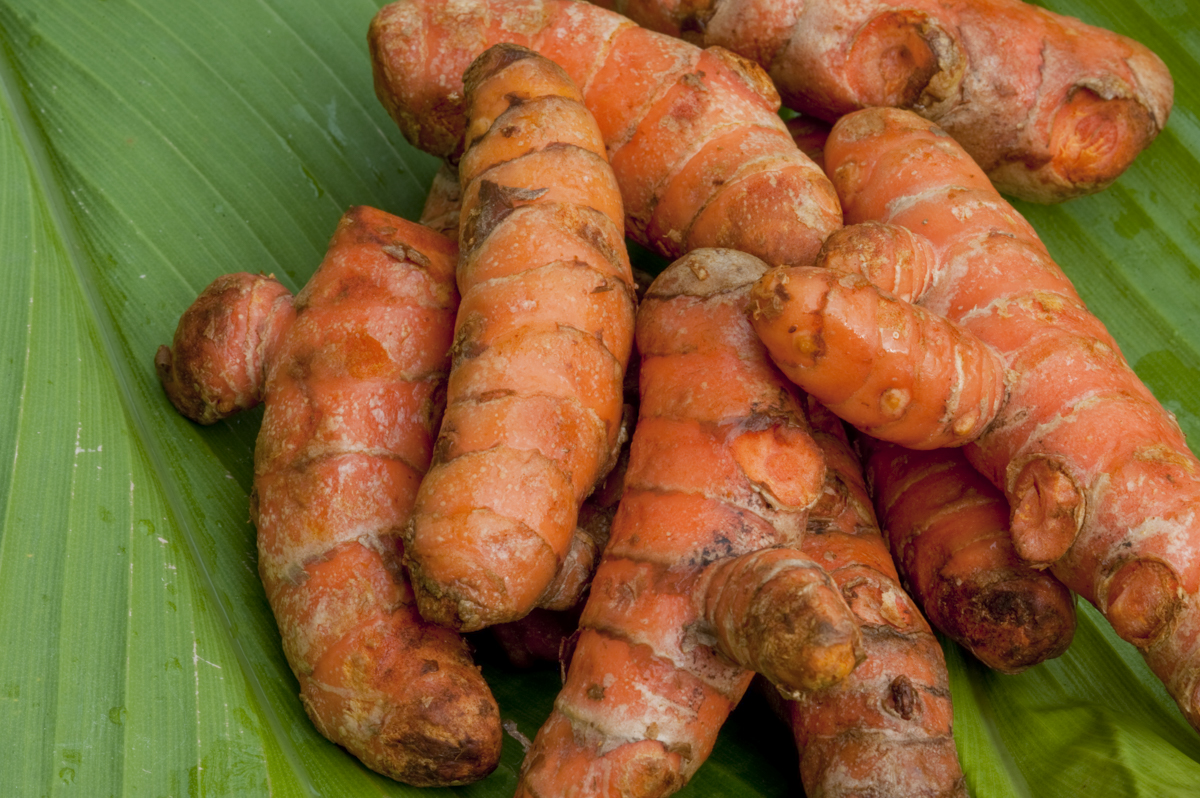
A turmeric monograph for the home
Latin Name: Curcuma aromatica, Curcuma domestica, Curcuma longa
Common Names: turmeric, turmeric root, Indian saffron
This turmeric monograph provides basic information about turmeric—common names, usefulness and safety, and resources for more information.
Source: https://nccih.nih.gov/
BasicsResearchResultsDosingSafetyWildcraftingReferencesPubMed
Turmeric Basics
- Turmeric, a plant related to ginger, is grown throughout India, other parts of Asia, and Central America. Javanese turmeric (Curcuma xanthorrhiz) is a different plant and not discussed in this fact sheet.
- Historically, turmeric has been used in Ayurvedic medicine, primarily in South Asia, for many conditions, including breathing problems, rheumatism, serious pain, and fatigue.
- Today, turmeric is used as a dietary supplement for inflammation; arthritis; stomach, skin, liver, and gallbladder problems; cancer; and other conditions.
- Turmeric is a common spice and a major ingredient in curry powder. Its primary active ingredients, curcuminoids, are yellow and used to color foods and cosmetics.
- Turmeric’s underground stems (rhizomes) are dried and made into capsules, tablets, teas, or extracts. Turmeric powder is also made into a paste for skin conditions.
Turmeric in Health Research
- We have a lot of research, including studies done in people, on turmeric for a variety of health conditions.
Turmeric Research Summary
- Claims that curcuminoids found in turmeric help to reduce inflammation aren’t supported by strong studies.
- Preliminary studies found that curcuminoids may
- Reduce the number of heart attacks bypass patients had after surgery
- Control knee pain from osteoarthritis as well as ibuprofen did
- Reduce the skin irritation that often occurs after radiation treatments for breast cancer.
- Other preliminary studies in people have looked at curcumin, a type of curcuminoid, for different cancers, colitis, diabetes, surgical pain, and as an ingredient in mouthwash for reducing plaque.
- The National Center for Complementary and Integrative Health (NCCIH) has studied curcumin for Alzheimer’s disease, rheumatoid arthritis, and prostate and colon cancer.
Cinnamon Safety
- Turmeric supplements appear to be safe for most people for short-term use if not taken in large amounts. Some people may have allergic reactions to turmeric.
- Turmeric should not be used in place of conventional medical care or to delay seeking care if you have health problems.
Turmeric References
- Di Lorenzo C, Dell’Agli M, Badea M, et al. Plant food supplements with anti-inflammatory properties: a systematic review (II).Critical Reviews in Food Science and Nutrition. 2013;53(5):507-516.
- Funk JL. Turmeric. In: Coates PM, Betz JM, Blackman MR, et al., eds. Encyclopedia of Dietary Supplements, 2nd ed. New York, NY: Informa Healthcare; 2010.
- Garg SK, Ahuja V, Sankar MJ, et al. Curcumin for maintenance of remission in ulcerative colitis. Cochrane Database of Systematic Reviews. 2012;(10):CD008424. Accessed at https://www.thecochranelibrary.com(link is external) on April 13, 2015.
- Meng B, Li J, Cao H. Antioxidant and anti-inflammatory activities of curcumin on diabetes mellitus and its complications. *Current Pharmaceutical Design.*2013;19(11):2101-2113.
- Ryan JL, Heckler CE, Ling M, et al. Curcumin for radiation dermatitis: a randomized, double-blind, placebo-controlled clinical trial of thirty breast cancer patients. Radiation Research. 2013;180(1):34-43.
- Turmeric. Natural Medicines Web site. Accessed at naturalmedicines.therapeuticresearch.com/ on April 13, 2015. [Database subscription].
- Wongcharoen W, Jai-Aue S, Phrommintikul A, et al. Effects of curcuminoids on frequency of acute myocardial infarction after coronary artery bypass grafting. American Journal of Cardiology. 2012;110(1):40-44.