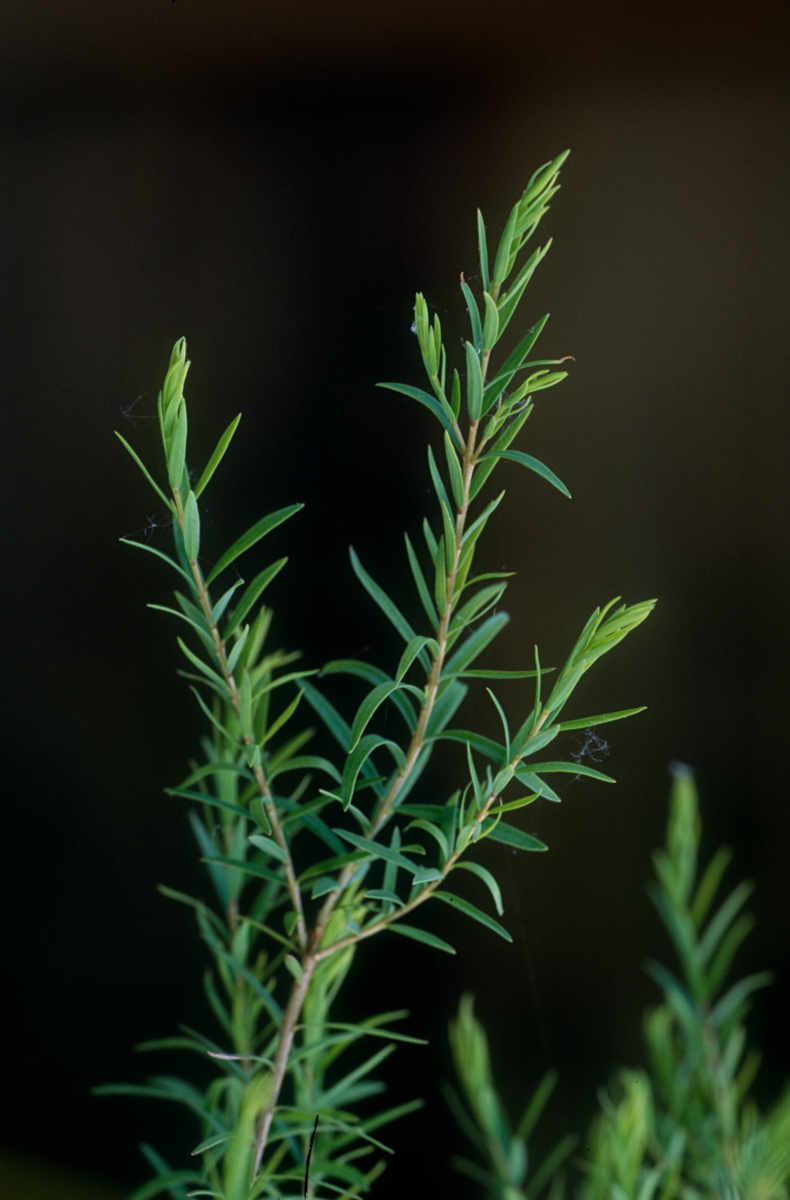
A tea tree oil monograph for the home
Latin Name: Melaleuca alternifolia
Common Names: tea tree oil, tea tree, Australian tea tree oil, tea tree essential oil, melaleuca oil
This tea tree oil monograph provides basic information about tea tree oil—common names, usefulness and safety, and resources for more information.
Source: https://nccih.nih.gov/
BasicsResearchResultsDosingSafetyWildcraftingReferencesPubMed
Tea Tree Oil Basics
- Tea tree oil comes from the leaves of the tea tree and has been used as a traditional medicine for cuts and wounds by the aboriginal people of Australia.
- Today, tea tree oil is often used externally for various conditions such as acne, athlete’s foot, lice, nail fungus, cuts, and insect bites.
- Tea tree oil is obtained by steam distillation of tea tree leaves. It is used topically (applied to the skin), and is an ingredient in a variety of skin products.
Tea Tree Oil in Health Research
- Only a small amount of research has been done on the topical use of tea tree oil for health conditions in people.
Tea Tree Oil Research Summary
- A limited amount of research indicates that tea tree oil might be helpful for acne, nail fungus, and athlete’s foot.
Tea Tree Oil Safety
- Tea tree oil should not be swallowed. Taking it orally can cause serious symptoms such as confusion and ataxia (loss of muscle coordination).
- Most people can use topical products containing tea tree oil without problems, but some people may develop contact dermatitis (an allergic skin rash) or skin irritation on the parts of the body where the product was used.
Tea Tree Oil References
- Jack AR, Norris PL, Storrs FJ. Allergic contact dermatitis to plant extracts in cosmetics. Seminars in Cutaneous Medicine and Surgery. 2013;32(3):140-146.
- Tea Tree Oil. Natural Medicines Web site. Accessed at naturalmedicines.therapeuticresearch.com on April 28, 2015. [Database subscription].