A fenugreek monograph for the home
Latin Name: Trigonella foenum-graecum
Common Name: fenugreek
Family name: Fabaceae
Part(s) of the plant used: leaves, seeds
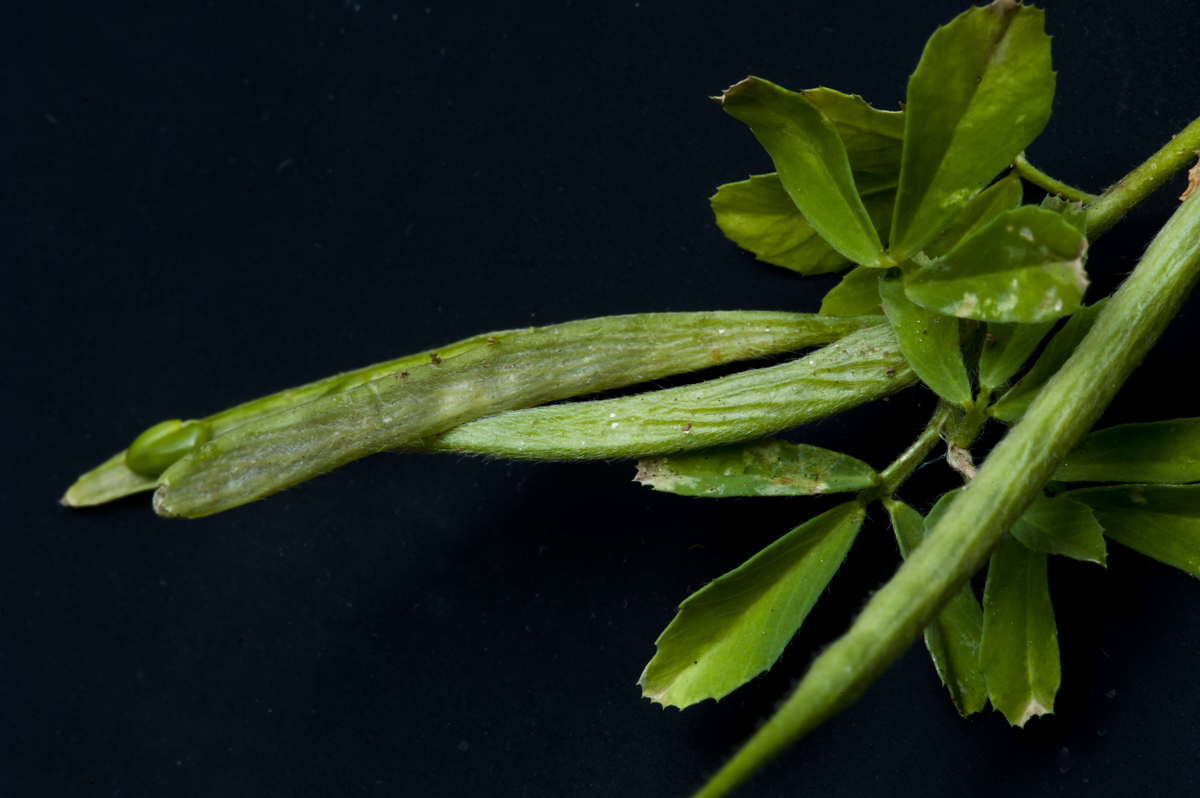
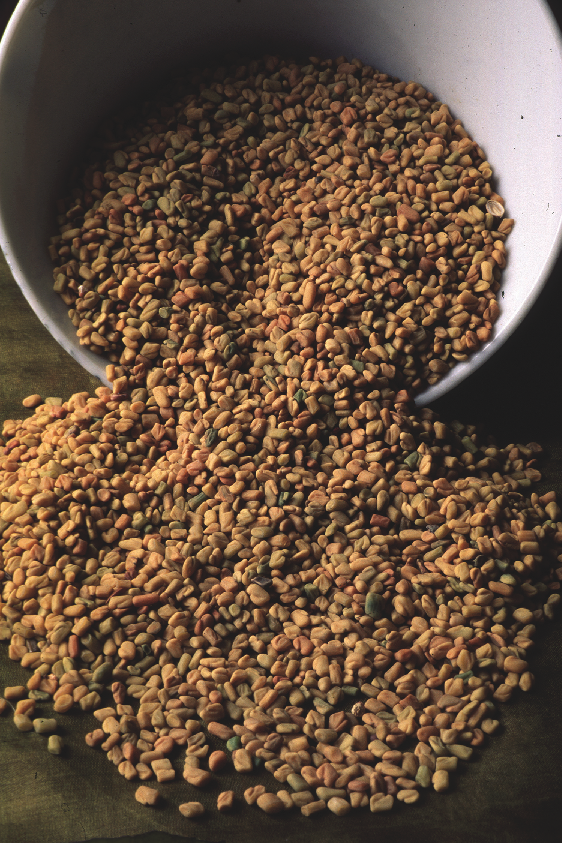
Native region and environment: fenugreek (also known as Egyptian hay) is a flowering, fragrant herb from the pea family. The bright green pods produce seeds that are a golden yellow color. Fenugreek is native to the north African Mediterranean and Indian subcontinent. It has been harvested and cultivated in the region for over 6000 years! It is an adaptable dry weather crop that can be grown from sea to the 2000-foot level.
This fenugreek monograph provides basic information about fenugreek—common names, usefulness and safety, and resources for more information. Browse more herbal monographs.
BasicsResearchDosingSafetyWildcraftingReferencesPubMed
History of fenugreek use
Fenugreek is one of the oldest known crops in India. The initial references to diabetes (madhumeha) have been found in classical texts of Ayurveda for millennia. In addition, Araee et al. (2009) reported a wide range of medicinal uses, including for the treatment of inflammation, tumors, cardiovascular diseases, renal insufficiency, infections and metabolic disorders. In Ayurveda, the primary symptom in Prameha disorder is polyuria or frequent urination and all types of Prameha are distinguished by the different types of urine. “The etiology matches with modern medicine where sedentary lifestyle, improper dietary habits and genetic factors are described as causative factors.”[1] As such, fenugreek has been used to treat diabetes for centuries in India.
Fenugreek constituents & diabetes
Fenugreek is an herb commonly used to treat T2DM on the Indian subcontinent today, both the leaves and seeds. It has been shown to improve a body’s ability to maintain glucose homeostasis through several mechanisms. Glucomannan, a mucilaginous fiber, delays sugar absorption in the intestine. Alkaloids in fenugreek seed (fenugrecin and trigonelline) help the body lower the level of sugar in the blood. Amino acids in the herb encourage the liver to release more insulin. It has also been reported that steroidal saponins in fenugreek can improve hypercholesterolemia, a disorder often associated with diabetes. The galactomannan and saponins from fenugreek lower blood glucose, cholesterol, triglyceride and free fatty acids levels and reduce abdominal fat.[2]
Fenugreek Preparation & Dosing *
*Always check with your doctor before taking any alternative therapy.
“Fenugreek leaves and seeds are commonly used for flavoring and as a spice in curries due to their strong flavor and aroma”.[3] If you are interested in working with fenugreek, I would recommend you buy this product from a trusted supplier like Mountain Rose Herbs.
| Daily Dosage Table: Fenugreek seeds[4] | ||
| Format | Dosage | Preparation |
| Dried seed | 50-100g | Divided throughout day; taken with meals |
| Tincture | 2-6mL | 1:2 (fenugreek : alcohol) 40% proof |
Fenugreek safety and contraindications
With a safety rating of 2b and interaction class A, fenugreek is generally a safe herb to take, but should not be taken while pregnant. It is recommended that other drugs be taken 1 hour prior to the consumption of fenugreek. As with any hypoglycemiant, monitory your blood sugar closely while taking this herb.
Potential Drug Interactions
None known.
Fenugreek References
[1] Ranade M, Mudgalkar N. A simple dietary addition of fenugreek seed leads to the reduction in blood glucose levels: A parallel group, randomized single-blind trial. Ayurveda 2017;38:24-7.
[2] Basu TK, Srichamroen A (2010) Health benefits of fenugreek in (Trigonella foenum-graecum leguminosse) bioactive foods in promoting health: fruits and vegetables, Elsevier, pp 425–35
[3] Peter, K.V. (2012) Handbook of Herbs and Spices, Vol. 1., 2nd Edition. Woodhead Publishing
[4] Braun & Cohen (2015) Herbs & Natural Supplements Vol 2. , Elsevier, Sydney Australia