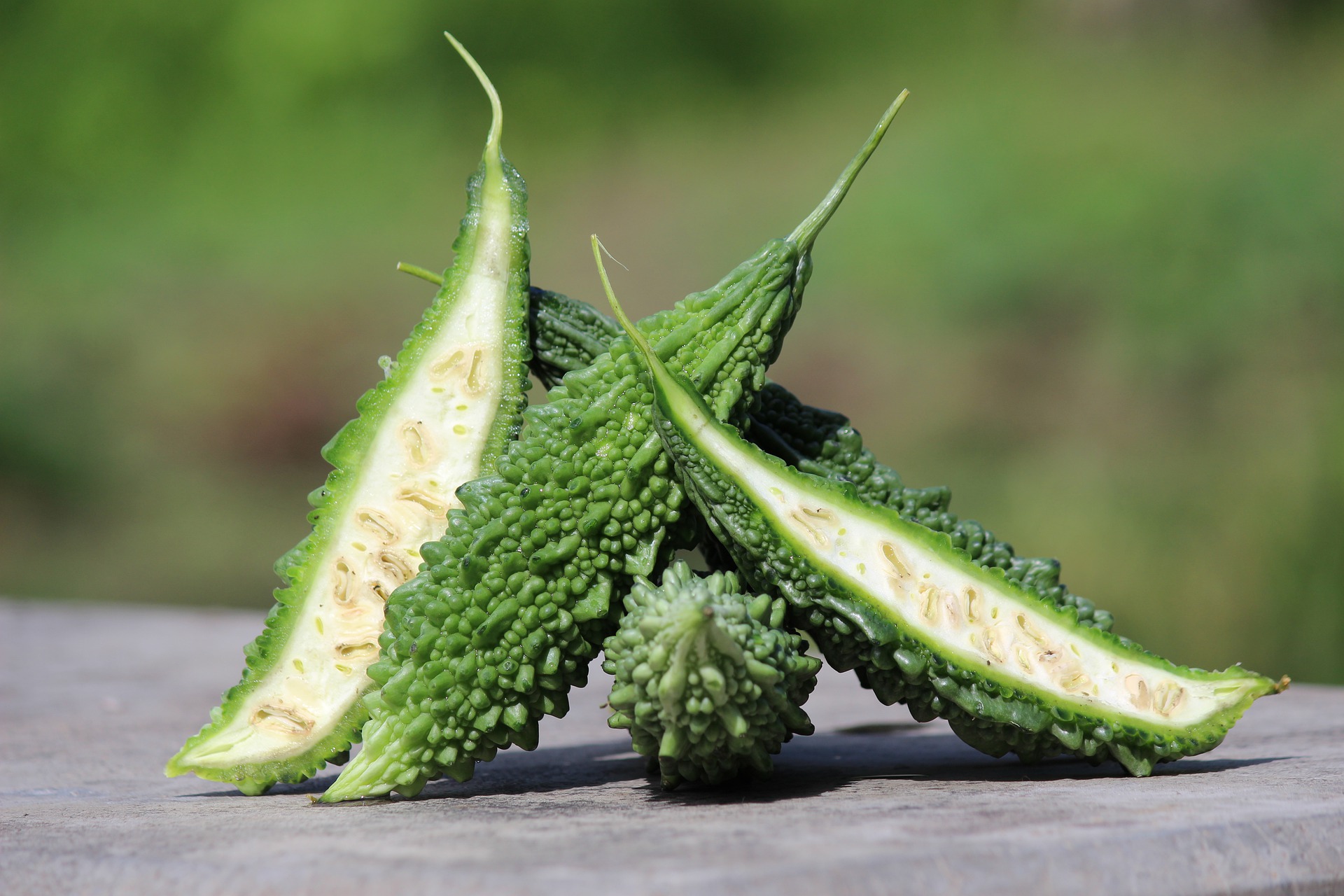
A bitter melon monograph for the home
Bitter Melon at a glance
Scientific name: Momordica Charantia L.
Common names: bitter melon, bitter gourd, African cucumber, karela
Family name: Cucurbitaceae
Part(s) of the plant used: fruit, leaves
Native region and environment: bitter melon is a tropical and subtropical vine of the family Cucurbitaceae, widely grown in Asia, Africa, and the Caribbean me: Citrus aurantium
This bitter melon monograph provides basic information about bitter melon—common names, usefulness and safety, and resources for more information. Browse more herbal monographs.
BasicsResearchDosingSafetyWildcraftingReferencesPubMed
History of bitter melon use
Bitter melon has long been used in Asia, Africa, and Latin America as a hypoglycemic herb and serves as a primarily alternative therapy for lowering blood glucose levels in patients with diabetes. The most common application of bitter melon is the use of extracts and powdered formulations. Less frequently used are teas made from the stems and leaves of this cucumber-like fruit. Bitter melon is also consumed as a foodstuff and can be found in many Asian markets.
Bitter melon constituents & diabetes
The main constituents of bitter melon that have reported hypoglycemic actions are the triterpenoids (like charantin) and the ribosome inactivating protein momordin.[1] Several mechanisms of action have been proposed for the hypoglycemic effects of bitter melon, including inhibition of intestinal absorption of glucose,[2] suppression of key glucogenic enzymes,[3] decreasing hepatic gluconeogenesis,[4] and increasing ß -cell production in the pancreas.”[5]
Bitter melon preparation & dosing
| Dosage Table: Bitter melon[6] | ||
| Format | Daily Dosage | Preparation |
| Fresh juice | 50-100mL | Squeeze out liquid like a lemon |
| Capsule | 500-1000mg | Take with water |
Bitter melon safety and contraindications
With a safety rating of 2b and interaction class C, bitter melon should not be taken during pregnancy. Bitter melon may be safe for medium-term use.
Potential Drug Interactions
Bitter melon has been shown to have a synergistic additive effect on hypoglycemic drugs and should only be taken under supervision of a licensed medical professional.
References
[1] Joseph, B., & Jini, D. (2013). Antidiabetic effects of Momordica charantia (bitter melon) and its medicinal potency. Asian Pacific Journal of Tropical Disease, 3(2), 93–102. https://doi.org/10.1016/S2222-1808(13)60052-3
[2] Chaturvedi P., George S., Milinganyo M., Tripathi Y. B. Effect of Momordica charantia on lipid profile and oral glucose tolerance in diabetic rats. *Phytotherapy Research.*2004;18(11):954–956. doi: 10.1002/ptr.1589
[3] Shibib, B. A., Khan, L. A., and Rahman, R. (1993). Hypoglycaemic activity of Coccinia indica and Momordica charantia in diabetic rats: depression of the hepatic gluconeogenic enzymes glucose-6-phosphatase and fructose-1,6- bisphosphatase and elevation of both liver and red-cell shunt enzyme glucose-6-phosphate dehydrogenase. Biochem. J. 292, 267–270.
[4] https://www.ncbi.nlm.nih.gov/pmc/articles/PMC5499308/pdf/fphar-08-00436.pdf
[5] https://www.herbalgram.org/resources/herbclip/issues/bin_242/review43611/
[6] Braun & Cohen (2015) Herbs & Natural Supplements Vol 2. , Elsevier, Sydney Australia